In the evolving world of digital marketing, the battle between SEO PPC is fiercer than ever as we look ahead to 2026. Businesses are facing pivotal choices as search engines and advertising platforms continue to transform.
This article will compare SEO (Search Engine Optimization) and PPC (Pay-Per-Click) strategies. We will analyze which approach is most likely to deliver the best results for your business in 2026.
You will discover clear definitions, pros and cons, cost breakdowns, upcoming trends, and practical scenarios for each method. Ready to make smarter decisions and maximize your online impact? Let’s dive in.
Understanding SEO and PPC: Core Definitions and Mechanics
In today's digital landscape, understanding seo ppc is essential for businesses aiming to outperform competitors. As search engines evolve, mastering both strategies can be the key to maximizing visibility and results.
What is SEO?
SEO, or Search Engine Optimization, is the process of enhancing a website to increase its visibility in organic search results. The foundation of seo ppc begins with keyword research, identifying what potential customers are searching for.
On-page optimization includes crafting high-quality content and optimizing titles, meta descriptions, and URLs. Off-page strategies involve building backlinks from reputable sources. Technical SEO focuses on website speed, mobile-friendliness, and structured data.
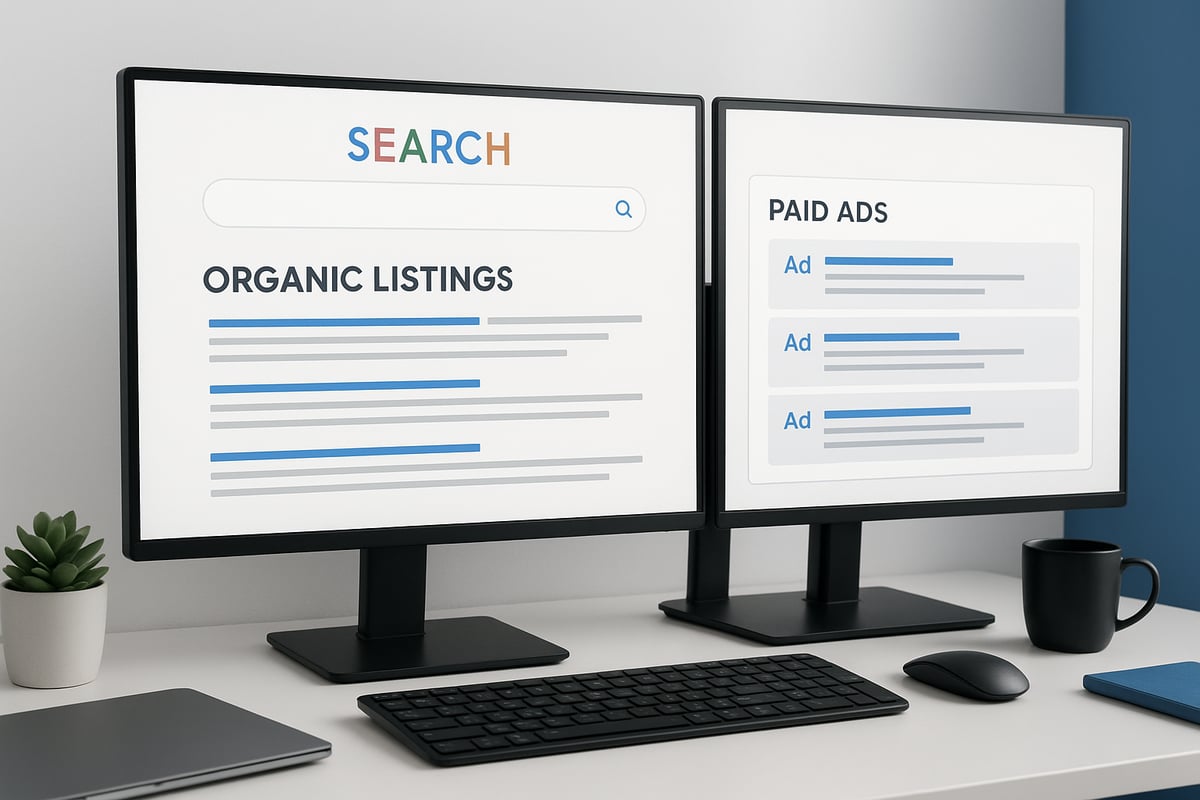
For example, a local bakery might optimize for "best cupcakes near me," ensuring their site appears when people search nearby. With AI-driven algorithms shaping search in 2026, SEO now requires staying up to date with evolving ranking factors. Organic results, unlike paid listings, are earned through relevance and authority, not by paying for placement.
What is PPC?
PPC, or Pay-Per-Click advertising, is a digital marketing model where businesses pay each time someone clicks their ad. In seo ppc strategies, PPC offers immediate access to targeted audiences on platforms like Google Ads, Bing Ads, and social media networks.
Advertisers bid on keywords, and ads appear above or beside organic results. The ad auction system determines placement based on bid amount and ad relevance. For instance, a financial advisor might use Google Ads to promote retirement planning services, generating leads within hours.
PPC provides instant visibility, but unlike organic growth, the traffic stops when the budget runs out. This immediacy makes PPC a powerful tool for time-sensitive campaigns, product launches, or highly competitive markets.
Key Differences Between SEO and PPC
The core differences between seo ppc approaches can be summarized in the table below:
| Aspect | SEO (Organic) | PPC (Paid) |
|---|---|---|
| Traffic | Earned organically | Purchased via ads |
| Cost Structure | Ongoing investment | Pay per click |
| Time to Results | Long-term growth | Immediate |
| Control | Limited direct control | Full message control |
| SERP Visibility | Below/alongside ads | Top of page, ad slots |
SEO builds authority and trust over time, while PPC offers rapid results and precise targeting. According to SEO vs. PPC: Real Results Compared [2025 Data & Stats], both methods drive measurable outcomes, but the right balance depends on business goals and resources.
How Search Engines Integrate SEO and PPC in 2026
By 2026, the line between seo ppc strategies is increasingly blurred. Search engines now use advanced AI to deliver both organic and paid results that appear more integrated than ever. New ad formats—like visual and voice search placements—are reshaping how users interact with SERPs.
Privacy changes, such as the shift to first-party data, impact both SEO and PPC targeting. Businesses must adapt by leveraging compliant data strategies. Technical innovations also mean that organic and paid listings may look more similar, making it vital to combine efforts for maximum reach.
Voice and visual search are now mainstream, requiring marketers to optimize content and ads for these modalities. As a result, integrating seo ppc methods is becoming a necessity for staying competitive in the ever-evolving digital marketplace.
Pros and Cons: SEO vs. PPC in 2026
In the rapidly changing digital landscape, choosing between seo ppc strategies can make or break your marketing success. To help you decide, let us break down the specific advantages and challenges of each approach, show you real industry data, and highlight when both channels work best together.
Advantages of SEO
SEO offers businesses sustainable growth and a strong digital foundation. With seo ppc strategies, you can build long-term visibility through organic rankings. Over time, this approach often yields a lower cost per lead compared to paid campaigns.
- Drives compounding traffic as your content matures
- Builds brand credibility and trust with users
- Yields ongoing results from initial investments
- Adaptable to shifts in search algorithms and AI-driven updates
For example, Mailchimp reports that 70% of clicks go to organic results, signaling the trust users place in non-paid listings. When executed well, seo ppc integration in your strategy can maximize this organic potential.
Drawbacks of SEO
While seo ppc tactics can deliver impressive long-term benefits, SEO is not without its challenges. The most significant drawback is the time required to achieve noticeable results.
- Results can take months to materialize
- Vulnerable to frequent search algorithm changes
- Requires continuous technical and content work
- High competition in many verticals
Short-term ROI can be difficult to measure, especially compared to the immediacy of paid campaigns. This means businesses must commit resources and patience to see the full impact of their seo ppc efforts.
Advantages of PPC
PPC shines when immediate results and precise targeting are priorities. Leveraging seo ppc strategies, PPC allows for instant visibility in search results and across platforms.
- Delivers fast traffic and measurable results
- Enables granular targeting by location, demographics, and behavior
- Budgets are flexible and easily scalable
- Supports rapid A/B testing for quick optimization
For instance, a financial advisor can use Google Ads to generate qualified leads almost instantly. With the right seo ppc balance, you can use PPC to fill gaps while your organic presence grows.
Drawbacks of PPC
Despite its speed, PPC in a seo ppc strategy comes with trade-offs. The most significant is cost—especially in competitive industries where bids are high.
- Ad spend stops, traffic stops
- Users may trust organic results more than ads
- Risk of click fraud or wasted budget
- Requires constant monitoring and adjustment
PPC campaigns can quickly become expensive without careful management. Over time, businesses may find that relying solely on PPC in their seo ppc mix is not sustainable for long-term growth.
Comparative Data & Industry Examples
Understanding how seo ppc performs across different industries is essential. Let us look at some key data comparing both channels:
| Metric | SEO | PPC |
|---|---|---|
| Avg. Conversion Rate | 2.4% (All) | 3.6% (All) |
| Cost per Lead | Lower over time | Higher, fluctuates |
| Trust Factor | High | Moderate |
| Speed to Results | Slow | Instant |
According to SEO vs. PPC Conversion Rates by Industry, the top three paid ads capture about 46% of clicks, while organic listings remain vital for long-term brand trust. For example, an e-commerce company may scale quickly using PPC, while a local service provider builds loyal clientele through SEO. AI-driven automation is now influencing both approaches, optimizing bids and content for better performance.
When SEO and PPC Work Best Together
The most effective seo ppc strategies often combine both channels. By using PPC for quick wins and SEO for lasting growth, businesses can cover every stage of the customer journey.
- Launch new products with PPC while SEO content builds authority
- Share data insights between channels for smarter targeting
- Use retargeting to nurture leads who found you organically
A case in point: a local business launching a new service may use PPC ads for immediate exposure, then rely on SEO to sustain lead generation. This synergy amplifies ROI, ensuring your seo ppc investment delivers both instant and lasting results.
Cost, ROI, and Resource Allocation: Which Delivers More Value?
Understanding the real value behind seo ppc strategies means looking beyond just traffic numbers. For businesses in 2026, it is critical to break down costs, returns, and resource needs to make informed decisions. Let us examine these factors step by step.

Upfront and Ongoing Costs for SEO
Investing in seo ppc strategies for organic growth starts with several upfront expenses. These include content creation, technical optimization, and tools for monitoring performance. Most small businesses will also budget for external consultants or agencies, with fees ranging from $1,000 to $5,000 per month.
Ongoing costs do not stop there. Regular updates, keyword research, and platform subscriptions add to the investment. Training staff to stay ahead of evolving algorithms is another hidden cost. Here is a simplified cost breakdown for a small business:
| Cost Component | Monthly Range |
|---|---|
| Content Creation | $500 – $2,000 |
| Technical SEO | $300 – $800 |
| Tools/Subscriptions | $100 – $400 |
| Consulting/Agency | $1,000 – $5,000 |
Over time, these investments tend to offer better cost efficiency, especially as organic rankings compound.
Upfront and Ongoing Costs for PPC
With seo ppc campaigns that focus on paid channels, the largest expense is ad spend itself. In 2026, minimum monthly budgets for platforms like Google Ads or Bing Ads often start at $1,500 for competitive industries. Average cost per click (CPC) continues to climb, sometimes reaching $10 or more in high-value niches.
Beyond ad spend, successful PPC requires skilled management. Whether you hire in-house or use an agency, expect to pay $500 to $2,500 per month for campaign oversight. Creative assets and landing page development can add another $500 to $3,000, depending on the scope. Ongoing A/B testing and optimization are essential for staying ahead.
For example, a financial advisor may allocate $2,500 for monthly ads, $1,000 for management, and $1,200 for creative updates.
Measuring ROI: Attribution and Analytics
Tracking the ROI of seo ppc strategies is no small feat. Both approaches demand robust analytics to connect marketing efforts to revenue. Conversion tracking, multi-touch attribution models, and calculating lifetime value (LTV) versus cost per acquisition (CPA) are standard practices.
Tools like Google Analytics and native ad dashboards help marketers see which channel drives real business outcomes. However, tying SEO content to direct revenue remains challenging due to longer sales cycles and indirect touchpoints. For a deeper analysis of ROI and cost structures, see this SEO vs PPC: Which One Drives Better ROI in 2025? resource.
Performance Benchmarks: SEO vs. PPC in 2026
Performance data guides the strategic balance between seo ppc investments. Industry averages show organic search conversion rates between 2% and 5%, while PPC campaigns often see rates from 4% to 8%, depending on industry and offer quality.
E-commerce businesses, for example, may experience higher PPC conversions during peak seasons, while local services benefit from steady organic leads. Trends indicate rising cost-per-lead in both channels due to increased competition and automation. AI-driven tools are enhancing both efficiency and targeting, but they also raise the bar for entry.
A comparison table:
| Metric | SEO | PPC |
|---|---|---|
| Avg. Conversion Rate | 2-5% | 4-8% |
| Cost-Per-Lead | Lower over time | Higher, immediate |
| Lead Quality | High | Variable |
Resource Considerations: In-House vs. Outsourcing
Choosing how to manage seo ppc strategies comes down to skills, time, and budget. SEO requires expertise in content, technical work, and analytics. PPC demands campaign management, creative development, and rapid optimization.
In-house teams offer control but require ongoing training and time commitment. Agencies bring experience but increase costs. Automation tools in 2026 can lighten the load for both strategies, yet strategic oversight remains essential. Many businesses find a hybrid model—combining internal knowledge with agency support—delivers the best results.
Carefully weighing these resource demands ensures your marketing spend aligns with business goals and maximizes ROI.
Trends Shaping SEO and PPC in 2026
The landscape of seo ppc is evolving rapidly as we approach 2026. Businesses must keep pace with emerging trends to remain competitive. From AI-driven automation to privacy regulations and shifting user behaviors, understanding these changes is crucial for building effective digital strategies.
AI and Automation in Search and Advertising
Artificial intelligence is transforming how seo ppc campaigns are managed. AI-driven keyword research tools now identify high-intent opportunities faster than ever. Automated bidding in PPC platforms, such as Google’s Performance Max, enables advertisers to optimize spend and targeting in real time.
Predictive analytics inform content creation, allowing marketers to anticipate user needs. Automation also streamlines campaign management, freeing up resources for strategic growth. For financial professionals, leveraging digital tools for financial advisors can further enhance results by integrating both SEO and PPC automation for compliance and efficiency.
As machine learning becomes standard, businesses that invest in AI-powered solutions will gain a measurable edge.
Privacy, Data, and Regulation Changes
Privacy regulations are reshaping how seo ppc practitioners collect and use data. The phase out of third-party cookies has amplified the value of first-party data, making user consent and transparent data practices more important than ever.
Industries like finance face even stricter compliance requirements for both advertising and organic presence. Marketers must adapt by building robust data collection frameworks and ensuring campaigns meet evolving legal standards.
New privacy-centric marketing tools are emerging, enabling precise targeting while protecting user information. Adapting seo ppc strategies to these changes is essential for maintaining trust and performance in 2026.
Evolving SERP Features and User Behavior
Search engine results pages are more dynamic, with interactive elements such as featured snippets, shopping carousels, and local packs. As users increasingly rely on voice and visual search, seo ppc strategies must evolve to capture attention in these new formats.
Mobile-first indexing and improved user experience signals now influence organic rankings more heavily. However, with more ads and new SERP features, organic click-through rates are declining.
Marketers need to optimize content and ads for rich results and adapt to changing user expectations to stay visible in the crowded SERP environment.
Industry-Specific Insights: Finance, E-commerce, and Local
Each sector faces unique seo ppc challenges in 2026. Financial advisors must prioritize compliance and trust, using both PPC for targeted lead generation and SEO for long-term authority.
E-commerce brands benefit from product listing ads and seamless shopping integrations, while local businesses leverage Google Business Profile and local service ads to dominate geographic searches.
Conversion rates vary by industry, making it vital to tailor strategies. Combining seo ppc approaches allows businesses to maximize results and respond to market changes quickly.
The Role of Content and Creative in 2026
Content remains the cornerstone of effective seo ppc campaigns. High-quality, intent-driven articles and landing pages boost organic rankings and improve ad relevance. Creative ad formats, including video and interactive elements, capture user interest and drive engagement.
User-generated content and reviews build credibility, especially in regulated industries. Personalization, powered by AI, ensures messaging resonates with each audience segment.
In 2026, content acts as the bridge between organic and paid strategies, unifying efforts and amplifying overall marketing impact.
Use Cases: When to Choose SEO, PPC, or Both
In the fast-changing digital marketing landscape, understanding when to use seo ppc strategies is essential for maximizing results. Let us explore common scenarios where one method outshines the other, when combining both is best, and how to make the right choice for your business.
Scenarios Where SEO Wins
Choosing seo ppc strategies is crucial, but there are times when SEO alone delivers exceptional value. If your goal is to build long-term brand authority and trust, SEO stands out. Businesses with limited ad budgets but time to invest often see stronger returns through organic growth.
- Ideal for complex buyer journeys where trust matters
- Best for niche topics with low competition
- Useful for evergreen content that compounds over time
For example, a financial advisor ranking for "retirement planning tips" can consistently attract quality leads without ongoing ad spend. In such cases, seo ppc efforts focused on organic optimization pay off in the long run.
Scenarios Where PPC Wins
There are situations where PPC is the clear winner in the seo ppc equation. If you need immediate visibility, such as launching a new product or service, PPC offers instant results. This approach is also effective for highly competitive keywords where organic ranking may take too long.
- Perfect for seasonal promotions or events
- Drives quick lead generation or sales
- Allows precise targeting for new market entries
Consider an e-commerce brand running a flash sale. PPC campaigns can capture high-intent traffic during a short window, making seo ppc strategies focused on paid ads the fastest path to conversions.
When to Combine SEO and PPC for Maximum Impact
Combining seo ppc strategies can yield powerful results, especially for brands seeking both short-term wins and long-term growth. Launching a new website or product benefits from PPC's immediate reach while SEO builds sustainable visibility.
- Use PPC data to inform SEO keyword targeting
- Retarget SEO visitors through PPC ads
- Fill gaps in coverage for high-value keywords
A local business, for example, might use PPC to generate quick leads while investing in SEO for ongoing organic growth. Coordinating both channels ensures no opportunity is left behind in your seo ppc campaigns.
Decision Matrix: How to Choose the Right Approach
Selecting between seo ppc requires an honest assessment of your goals, budget, and market conditions. Use a simple decision matrix:
| Goal | Budget | Competition | Best Approach |
|---|---|---|---|
| Brand Awareness | Limited | Low | SEO |
| Immediate Sales | Ample | High | PPC |
| Long-term Growth | Moderate | Medium | SEO + PPC |
For more guidance, explore marketing tools for financial advisors that help weigh options and streamline your decision-making in seo ppc planning.
SEO and PPC Solutions for Financial Advisors
Financial advisors face unique challenges in compliance and lead generation, making tailored seo ppc solutions essential. Automated funnels now integrate both channels, allowing compliant PPC campaigns to run alongside organic strategies for sustainable results.

- Agency-quality campaigns designed for regulated industries
- Performance tracking and compliance assurance
- Cost-effective, automated solutions
Discover more about lead generation tools for advisors that leverage seo ppc synergy to maximize ROI and streamline your marketing efforts.
Future Outlook: The Evolving Balance of SEO and PPC
As we look to the future, the balance between SEO PPC strategies continues to evolve. Businesses must adapt to rapid changes in technology, user behavior, and regulation. Let us explore what the landscape may look like in 2026, and how to approach the ongoing SEO PPC debate with confidence and clarity.
Predictions for SEO in 2026
SEO PPC strategies in 2026 will rely even more on artificial intelligence for content optimization, keyword targeting, and performance tracking. Search intent and user experience will become critical ranking factors, as search engines prioritize relevance and satisfaction. The competition for organic visibility will intensify, particularly with the rise of zero-click searches and alternative platforms like voice assistants.
Authority and trust will remain central, with businesses needing to demonstrate expertise and reliability. As detailed in SEO vs PPC Statistics: Which is Better?, organic results continue to capture a significant share of clicks, highlighting the enduring value of SEO PPC efforts. Brands that invest in building long-term authority will see lasting benefits.
Predictions for PPC in 2026
PPC will see even greater automation, with smart bidding and AI-driven optimization becoming the norm. Enhanced targeting through first-party data will allow for more personalized ad experiences. New and immersive ad formats, such as interactive video, will emerge to capture consumer attention.
However, rising ad costs and increasing competition will make it essential for businesses to carefully manage budgets. Compliance requirements, especially for sectors like finance, will demand careful oversight. SEO PPC strategies will need to blend rapid PPC results with brand-building from organic efforts, ensuring sustainable growth.
How Businesses Can Stay Ahead
To remain competitive, businesses must embrace continuous learning and adapt quickly to new SEO PPC tools. Integrating both SEO and PPC across the marketing funnel will become a best practice, allowing organizations to capture both immediate and long-term opportunities.
Investing in analytics and attribution models will help track ROI and optimize campaigns. Focusing on user value and building trust will differentiate brands in crowded markets. Automation will drive efficiency, but a strategic approach to SEO PPC will be vital for real success.
Action Steps for Marketers in 2026
Marketers should begin by auditing current SEO PPC strategies to identify areas for improvement. Testing AI-driven platforms can reveal new efficiencies, while aligning with privacy and compliance needs will reduce risk.
Developing a hybrid roadmap tailored to specific business goals will ensure a balanced approach. It is critical to monitor industry trends and competitor tactics, adjusting strategies as needed. By staying agile and informed, marketers can navigate the future of SEO PPC with confidence and achieve measurable results.
As we’ve explored, finding the right balance between SEO and PPC is more important than ever—especially for financial advisors navigating a rapidly changing digital landscape in 2026. If you’re ready to see how tailored ad services and smart campaign management can help you generate more qualified leads while staying fully compliant, let’s take the next step together. You don’t have to choose between organic growth and paid results—discover how both can work for your unique goals. Curious what this could look like for your business? Schedule a Free Demo and let’s chart your path to measurable success.