In 2026, marketers face a landscape that is more fragmented and competitive than ever. Brands must fight for attention among over 350 daily ad exposures, yet only a handful leave a lasting impression.
Integrated marketing offers a unified approach, bringing consistency to your brand’s voice, visuals, and messaging across every channel. This guide reveals how integrated marketing can help you break through the noise, drive measurable results, and future-proof your campaigns.
You’ll discover what integrated marketing is, how it compares with other strategies, and proven tactics for success. Learn how leading brands boost campaign performance by up to 300% with unified efforts. Ready to build your winning plan for 2026? Let’s dive in.
What Is Integrated Marketing?
In today's crowded media environment, brands need more than just scattered campaigns to stand out. Integrated marketing offers a solution by weaving a single, unified message across every channel and touchpoint. This approach helps brands avoid confusion, maximize impact, and create a memorable experience for every audience.
Defining Integrated Marketing
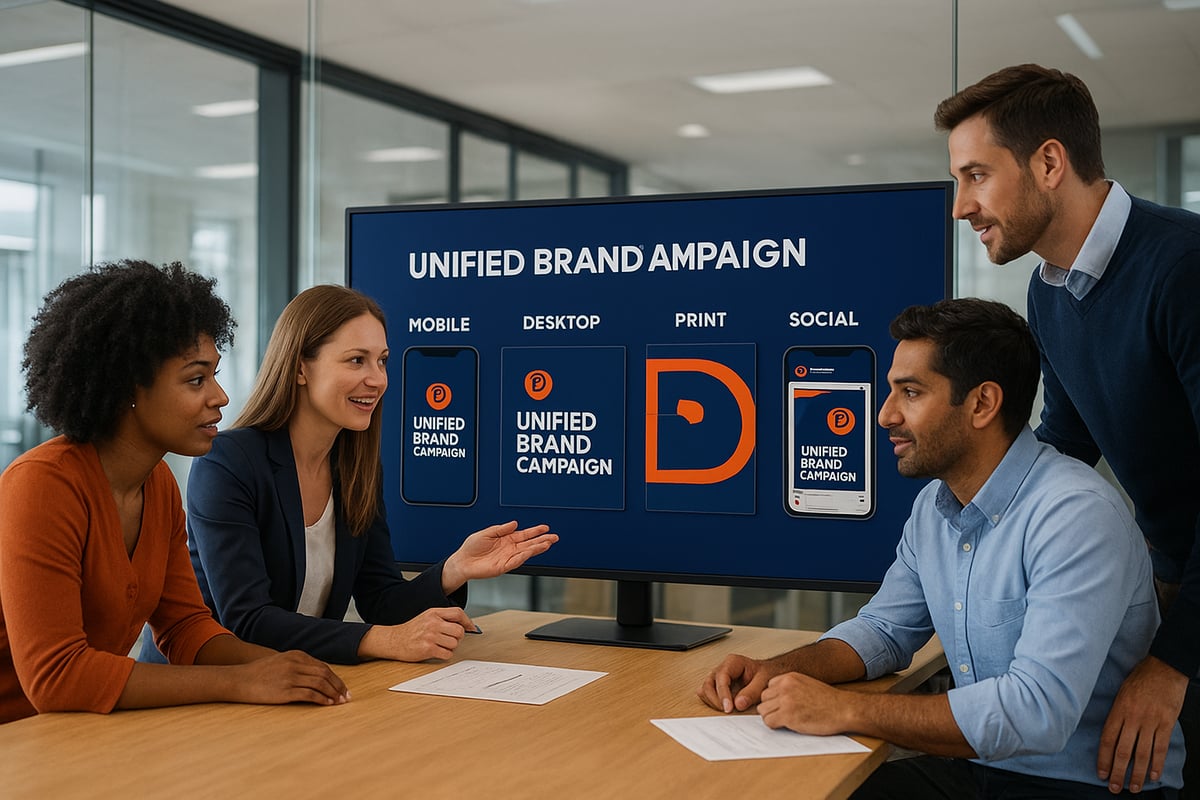
Integrated marketing brings together all marketing efforts to deliver a consistent message, look, and feel across every platform. Whether a customer sees a social post, a print ad, or a TV commercial, the brand voice and visuals remain unmistakably aligned.
This approach eliminates fragmented customer journeys, ensuring that every interaction reinforces the same brand story. For example, Budweiser’s iconic “Wassup” campaign extended from television to the web, maintaining a seamless narrative that engaged audiences everywhere.
Integrated marketing is essential for both B2B and B2C organizations. In a world where customers interact with brands across multiple channels daily, unity and clarity are critical for building trust and recognition.
Integrated vs. Multichannel vs. Omnichannel Marketing
While these terms are sometimes used interchangeably, they have distinct meanings in modern marketing:
| Approach | Focus | Message Consistency | Example |
|---|---|---|---|
| Multichannel | Presence on multiple channels | Varies | A brand runs separate TV, print, and digital ads |
| Omnichannel | Seamless customer experience | Integrated touchpoints | Nike’s personalized athlete journey |
| Integrated Marketing | Unified message across all channels | High | Snickers’ “You’re Not You When You’re Hungry” campaign |
Multichannel marketing uses several platforms but often lacks message cohesion. Omnichannel marketing aims for a seamless customer experience across touchpoints, integrating interactions for maximum convenience. Integrated marketing, however, prioritizes message consistency, ensuring that every channel echoes the same core idea.
A great example is Snickers’ “You’re Not You When You’re Hungry” campaign, which ran unified creative across TV, print, and digital, driving recall and engagement. Research shows that integrated campaigns spanning four or more channels can outperform single-channel efforts by up to 300 percent. The most successful brands blend the strengths of integrated and omnichannel approaches to achieve superior results.
Why Integrated Marketing Matters in 2026
Consumers are more selective and ad-aware than ever, quickly tuning out fragmented or inconsistent messages. Integrated marketing ensures that every brand interaction feels familiar and trustworthy, which significantly boosts recall and customer loyalty.
Consistent storytelling reduces wasted budget by focusing resources on unified, high-impact campaigns. For instance, GEICO’s gecko mascot appears across all media, reinforcing the brand’s core promise and doubling positive sentiment among customers.
Data from Adobe reveals that companies leveraging integrated technology solutions are 1.5 times more likely to achieve leading marketing results. As highlighted in McKinsey’s State of Marketing Report 2026, the future of marketing is full-funnel and multipurpose, making integrated marketing strategies not just valuable but essential for measurable, scalable success.
Integrated marketing is the foundation for building lasting connections, driving ROI, and ensuring your brand thrives in the data-driven world of 2026.
Core Strategies for Integrated Marketing Success
In today's fast-moving marketing environment, success hinges on a set of core strategies that bring clarity, consistency, and measurable results. Integrated marketing requires more than just using multiple channels. It demands alignment of narrative, teams, data, content, automation, and ongoing optimization. Let us dive into the essential strategies that define integrated marketing success for 2026.
Crafting a Consistent Brand Narrative
The foundation of integrated marketing is a compelling, consistent brand narrative. Every campaign element, from social posts to print ads, should reinforce a central story or value proposition. This ensures your brand is instantly recognizable, no matter where customers encounter it.
Start by defining your core message. Use the same language, imagery, and tone across all channels. For example, Apple's "Think Different" campaign became iconic because its message and visuals were unified everywhere. This approach creates strong emotional connections and strengthens brand recall.
A consistent narrative also reduces confusion. When customers see the same story in different places, trust builds naturally. According to recent studies, familiarity with unified messaging makes it easier for customers to remember and choose your brand. In integrated marketing, narrative consistency is not just about aesthetics, but about driving deeper engagement and loyalty.
Aligning Teams and Breaking Down Silos
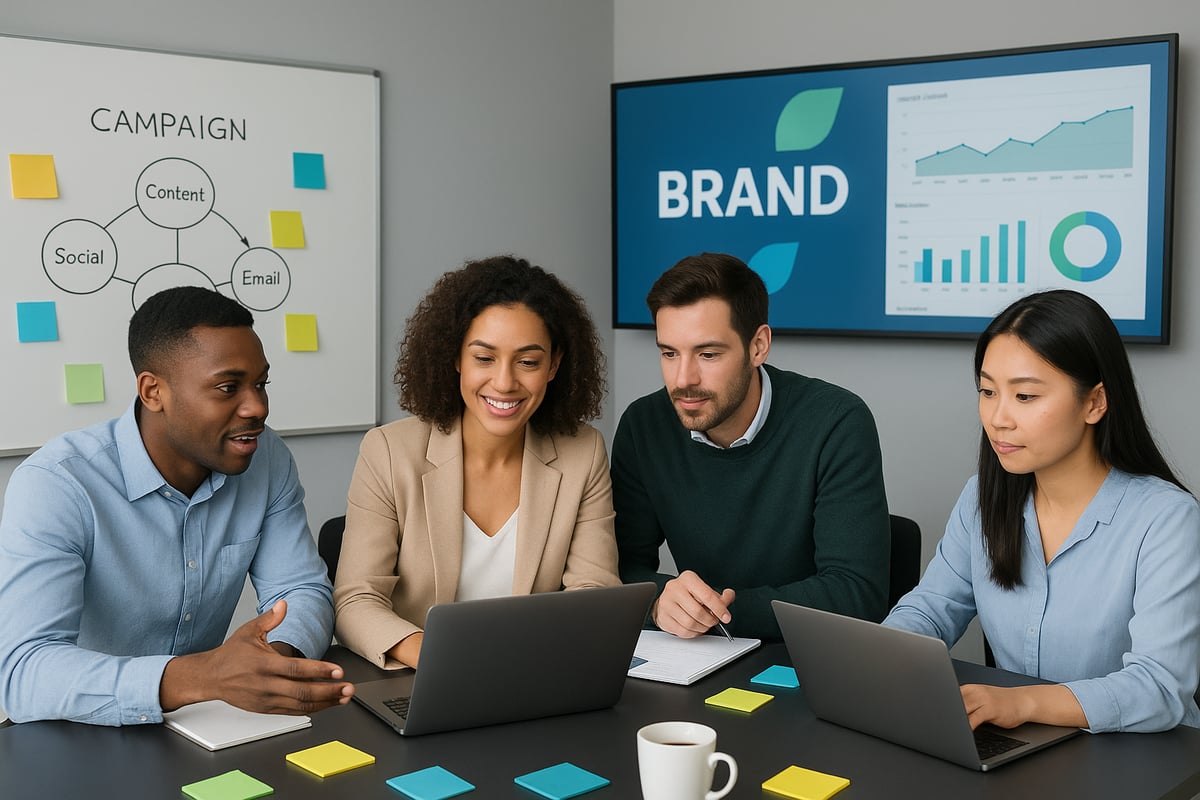
Integrated marketing thrives when internal teams work together seamlessly. Siloed departments often create fragmented experiences for customers. To avoid this, foster collaboration between marketing, sales, PR, and product teams.
Assign clear roles for each channel, but encourage regular cross-team meetings. For instance, when PFL aligned its messaging and broke down channel silos, it saw a 27% increase in email opens. This result highlights the power of unified execution.
Cross-functional teamwork is crucial for integrated marketing. When everyone shares a common vision and communicates openly, campaigns achieve stronger alignment and better outcomes.
Leveraging Data and Analytics for Integration
Data is at the heart of integrated marketing. Collect insights from every channel, then analyze them to guide your strategy. Identify which touchpoints drive the most engagement and conversions, and adjust your approach accordingly.
Key performance indicators (KPIs) like exposure, engagement, and buyer journey status reveal what works and what needs improvement. For example, CenturyLink centralized its marketing data, resulting in $1.2 million in savings and $2.6 million in revenue impact.
To streamline this process, consider using digital tools for advisors that enable cross-channel integration and robust analytics. These tools make it easier to collect, analyze, and act on data, ensuring your integrated marketing strategy delivers measurable value.
Adapting Content for Channel Strengths
Not all channels are created equal, so your content should be adapted for each platform's unique strengths. While the core message remains consistent, the format, length, and style should fit the audience and channel.
For instance, a TV commercial can be repurposed as a short, engaging video for social media or as interactive content on your website. This approach prevents customer fatigue and keeps your campaigns fresh.
By tailoring creative assets while maintaining message consistency, integrated marketing reaches more people and resonates with diverse audiences. Adaptation is essential for maximizing your campaign's reach and effectiveness.
Utilizing Marketing Automation Platforms
Managing integrated marketing campaigns across multiple channels can be complex. Marketing automation platforms simplify this process by coordinating activities, tracking performance, and ensuring consistent delivery.
Automation tools help you monitor results in real time and optimize campaigns on the fly. For example, CenturyLink used automation to coordinate marketing across eight organizations, resulting in significant cost savings and revenue growth.
These platforms are invaluable for measuring ROI and streamlining even the most complex integrated marketing strategies. Automation lets your team focus on creativity and strategy, rather than manual coordination.
Testing, Measuring, and Optimizing
Continuous improvement is vital for integrated marketing success. Use A/B testing to refine your messaging and creative assets across channels. Regularly review analytics to identify what is working and where you can improve.
If a channel is underperforming, adjust your tactics and test new approaches. This agile mindset ensures your campaigns remain effective and aligned with your objectives.
Ongoing measurement and optimization keep your integrated marketing strategy sharp, relevant, and ready for future challenges.
Step-by-Step Guide: Building an Integrated Marketing Plan for 2026
Building an integrated marketing plan for 2026 requires a systematic, data-driven approach. By following these essential steps, you can ensure your campaigns deliver consistent results, maximize ROI, and adapt to the evolving marketing landscape.
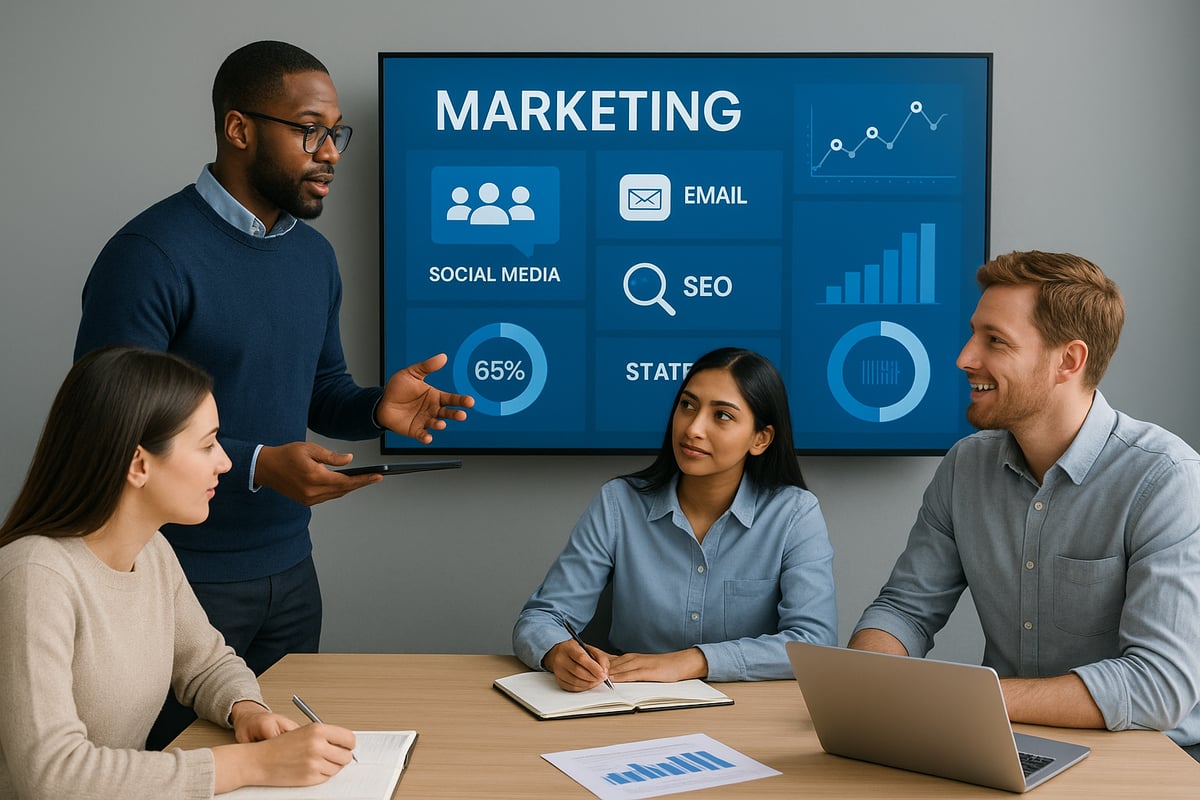
Step 1: Set SMART Goals
Start your integrated marketing journey by defining SMART goals. These are Specific, Measurable, Attainable, Relevant, and Time-bound objectives. Clear goals offer direction and make it easier to measure success.
Align your goals with business priorities. Are you launching a new product, rebranding, or aiming for audience growth? Use KPIs such as engagement rate, conversion numbers, or sales lift to benchmark your progress.
For example, set a goal like "Increase qualified leads by 20 percent in Q2 via integrated marketing across email, social, and events." This clarity justifies your investment and creates a strong foundation for your strategy.
Step 2: Identify and Combine Marketing Channels
List every available channel for your integrated marketing plan. Consider digital channels (SEO, social, email), traditional outlets (TV, radio, print), events, and PR. Select channels based on where your target audience spends their time and how each channel supports your objectives.
Tie all channels together with consistent messaging, visuals, and brand voice. For instance, a memorable mascot or tagline can be used on TV, social media, and in-store promotions. This approach boosts message recall and campaign reach.
A table can help compare channel strengths:
| Channel | Audience Fit | Strengths | Use Case |
|---|---|---|---|
| Social Media | Millennials | High engagement | Brand awareness |
| B2B, B2C | Personalization | Lead nurturing | |
| TV | Broad | Mass exposure | Product launches |
| Events | Niche | Direct interaction | Community building |
To explore essential marketing tools that support integrated marketing strategies, see Marketing tools for financial advisors.
Multi-channel integration increases both reach and engagement, making your integrated marketing campaign more effective.
Step 3: Assign Roles and Responsibilities
Assign clear roles to ensure every part of your integrated marketing plan runs smoothly. Designate managers or teams for each channel and campaign element.
Foster cross-team collaboration with regular meetings and shared documentation. For example, appoint a lead for digital channels and another for offline efforts. This structure keeps everyone aligned and prevents message fragmentation.
Having the right people in the right roles ensures your integrated marketing strategy is executed seamlessly, from planning to launch.
Step 4: Develop a Unified Content Plan
Create a content plan that aligns with your integrated marketing goals. Develop messaging and creative assets tailored to each channel, but ensure every piece supports your core narrative.
Plan rollout schedules so assets launch in sync across platforms. For example, debut a TV ad, then support it with social snippets, email follow-ups, and in-store displays. Consistency in tone, visuals, and timing increases brand recall.
Set up infrastructure for lead management and follow-up, so no touchpoint is missed. Consistent content across channels leads to higher conversion rates and a stronger integrated marketing impact.
Step 5: Collect, Analyze, and Act on Data
Implement analytics from the start. Track exposure, engagement, and conversions for each channel in your integrated marketing plan.
Use the data to identify which touchpoints are driving the most value. Shift resources to high-performing channels and adjust underperforming ones. For example, if social media outperforms print, allocate more budget to digital.
Real-time data insights allow you to make agile adjustments, keeping your integrated marketing efforts optimized and effective.
Step 6: Launch, Monitor, and Optimize
Launch your integrated marketing campaigns in a coordinated fashion, either simultaneously or in planned waves. Monitor performance daily, weekly, and monthly using automation tools.
Test different variations of messaging and creative through A/B testing. Refine campaigns by reviewing analytics and making data-driven adjustments. For example, if a message is underperforming on one channel, tweak the copy or creative to improve alignment.
Continuous optimization ensures your integrated marketing plan remains effective, resilient, and ready to meet evolving goals.
Real-World Examples: Integrated Marketing in Action
Integrated marketing comes to life through brands that master message consistency, channel synergy, and customer engagement across every touchpoint. Examining these real-world examples reveals how integrated marketing strategies drive measurable success, from viral campaigns to streamlined operations. Let’s explore how top brands have set the standard with powerful, unified approaches.
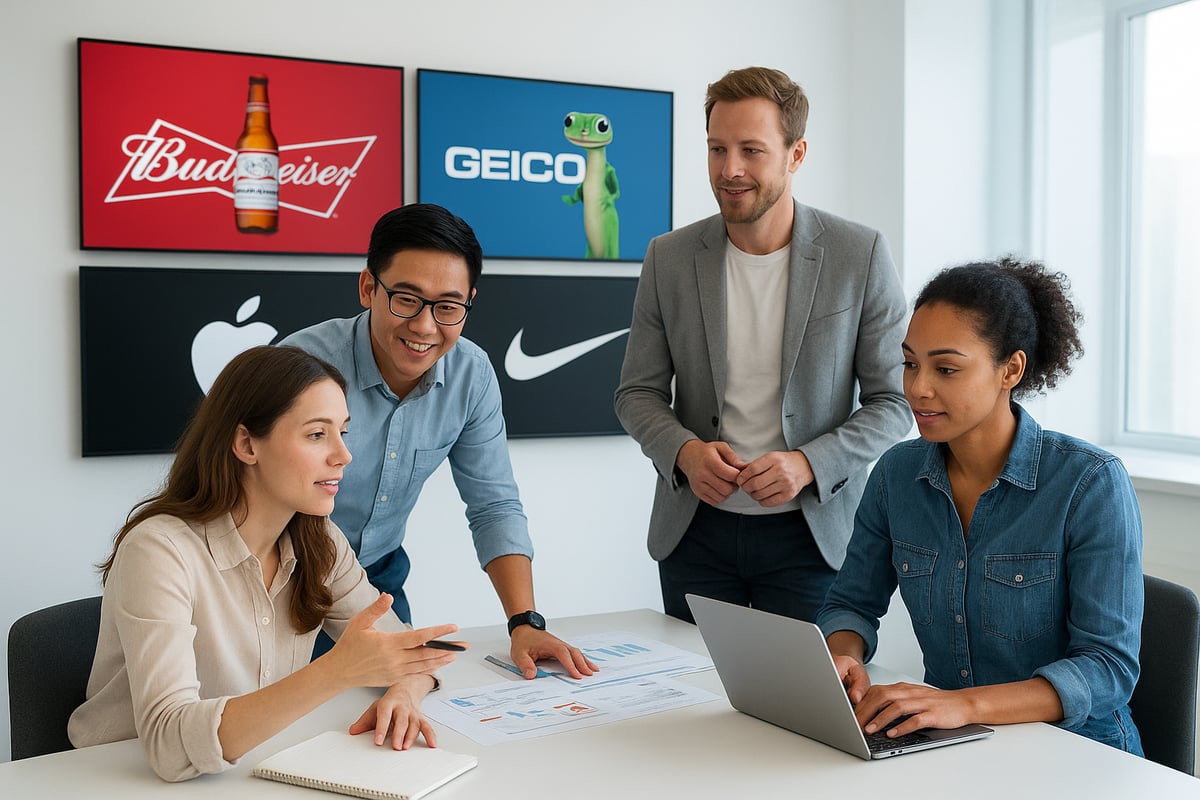
Budweiser’s “Wassup” Campaign
Budweiser’s legendary “Wassup” campaign is a classic example of integrated marketing done right. The campaign launched on television but quickly expanded to digital channels, web content, and even events. The signature catchphrase was translated into 36 languages, ensuring global reach with a unified message.
By carrying the same story across every touchpoint, Budweiser generated massive online engagement and pop culture buzz. Years later, the campaign was revived for new audiences, proving the lasting impact of integrated marketing. The lesson is clear: consistent messaging across platforms amplifies brand recognition and drives long-term results.
GEICO’s Gecko Mascot
GEICO’s use of the gecko mascot showcases how integrated marketing builds brand equity. The gecko and its memorable tagline, “15 minutes could save you 15% or more,” appear everywhere: TV ads, print, digital banners, and branded merchandise. This consistency reinforces GEICO’s value proposition at every customer interaction.
Over time, the integrated marketing strategy doubled positive brand sentiment. GEICO’s impression score improved twice as fast as the industry average. Their approach demonstrates that a unified character and message, delivered across all channels, can transform brand perception and loyalty.
CenturyLink’s Centralized Marketing Hub
CenturyLink exemplifies the power of integrated marketing by centralizing its campaigns across eight organizations. Using automation tools, the company coordinated digital, print, and events seamlessly. This unified strategy resulted in $2.6 million in revenue impact and $1.2 million in cost savings.
Seventy percent of CenturyLink’s deals included multiple integrated marketing touchpoints. By leveraging centralized data and cross-channel insights, CenturyLink maximized efficiency and campaign performance. Their experience highlights how integration and automation streamline complex marketing operations for measurable ROI.
PFL’s Silo-Breaking Strategy
PFL transformed its results by shifting from separate channel strategies to a fully integrated marketing approach. By breaking down silos between social, email, web, and direct mail, PFL increased email opens by 27% and overall engagement by 204%. Automation played a key role in coordinating channel activities and tracking performance.
This example illustrates that integrated marketing is not just about technology—it’s about collaboration and shared goals. PFL’s success shows how unifying teams and channels leads to stronger engagement and higher conversion rates.
Other Notable Campaigns
Several global brands have redefined integrated marketing. Snickers’ “You’re Not You When You’re Hungry” campaign unified TV, print, and digital, while Apple’s “Think Different” became a template for narrative-driven integration. Nike’s innovative omnichannel athlete journey demonstrates how data, personalization, and unified messaging create seamless customer experiences.
Brands that anchor their integrated marketing around central themes, mascots, or slogans see higher recall and loyalty. According to recent industry data, integrated campaigns can outperform single-channel efforts by up to 300%, underscoring the value of a holistic approach.
Future Trends & Best Practices for Integrated Marketing in 2026
The future of integrated marketing will be shaped by rapid technological advancements, shifting consumer expectations, and a growing emphasis on data-driven, customer-centric strategies. To stay ahead in 2026, brands must adapt by mastering emerging trends and best practices that redefine how campaigns are built and executed.
Embracing AI and Advanced Analytics
Artificial intelligence will be at the core of integrated marketing, empowering teams to automate audience segmentation, personalize messaging, and optimize campaigns in real time. AI tools can analyze massive volumes of customer data, identifying trends and opportunities that manual methods often miss.
For example, marketing teams can use predictive analytics to anticipate customer needs and deliver tailored content at the right moment. This approach improves engagement and maximizes ROI across every channel.
According to recent findings in the IAB’s 2025 Creator Economy Ad Spend Report, ad spend in creator-driven channels is soaring, making integrated marketing strategies that leverage AI and analytics even more critical for future success.
Privacy, Consent, and Data Compliance
As privacy laws evolve worldwide, integrated marketing strategies must prioritize transparency and data security. Brands need to implement robust consent management tools to handle customer data ethically and comply with regulations like GDPR and CCPA.
Clear communication about data collection builds trust and reduces the risk of regulatory fines. Marketers should regularly audit their processes and update privacy policies to reflect the latest standards.
Integrated marketing thrives when customers feel confident that their information is handled responsibly. In 2026, compliance will be not just a legal requirement but a competitive advantage.
Personalization at Scale
Personalization will separate leading brands from the rest. Integrated marketing campaigns that deliver individualized experiences based on behavior, interests, and customer lifecycle stages will see higher engagement and loyalty.
AI-powered platforms enable marketers to dynamically adapt content, offers, and communications for each segment. A recent study on personalized marketing offer generation shows how advanced AI can create targeted messaging that resonates with diverse audiences.
For integrated marketing to succeed at scale, teams must invest in technologies that automate and manage personalization without sacrificing consistency or brand integrity.
Cross-Channel Attribution and Measurement
Measuring the effectiveness of integrated marketing across multiple touchpoints is essential for maximizing results. Unified dashboards allow marketers to track performance, attribute conversions, and identify which channels and interactions drive the most value.
With cross-channel attribution, teams can optimize budget allocation and refine campaigns based on real insights. This holistic approach ensures that every aspect of the integrated marketing strategy works together toward shared goals.
Leading brands are leveraging integrated marketing measurement tools to gain a complete view of their customer journey and improve ROI.
Agile Campaign Management
Agility is crucial for integrated marketing teams facing rapidly changing consumer behavior and market trends. By adopting agile frameworks, marketers can plan, test, and iterate campaigns faster, responding quickly to feedback and emerging opportunities.
Short feedback loops and real-time data empower teams to pivot strategies without losing momentum. Agile integrated marketing allows brands to maintain relevance and outperform less nimble competitors.
Encouraging collaboration and continuous learning within teams will further enhance campaign effectiveness and innovation.
Building Resilient, Customer-Centric Strategies
A resilient integrated marketing strategy puts the customer at the center. This involves mapping customer journeys, understanding preferences, and aligning every campaign element with customer experience goals.
Brands that prioritize customer-centric integration foster loyalty, advocacy, and long-term growth. Listening to feedback, adapting to new needs, and maintaining consistency across channels are key to resilience in a fast-evolving landscape.
Integrated marketing in 2026 will succeed by combining technological innovation with a deep commitment to customer satisfaction.
As you navigate the ever-evolving marketing landscape for financial advisors, it’s clear that success in 2026 will depend on your ability to unify messaging, break down team silos, and leverage data-driven strategies. We’ve explored how integrated marketing can maximize your reach and deliver measurable results—now, it’s your turn to put these insights into action. If you’re ready to see how a tailored ad solution can elevate your campaigns and help you stand out, I invite you to Schedule a Free Demo. Let’s build a future-proof strategy together.