Digital marketing in 2026 is more dynamic and complex than ever before, with new channels and strategies emerging at a rapid pace. As choices multiply, businesses are finding it increasingly challenging to manage campaigns and achieve consistent results. This is where marketing packages come in, offering a streamlined approach to combine essential tactics for maximum impact. The right package brings cost efficiency, expert support, measurable ROI, and helps you stay ahead of industry trends. This guide will walk you through everything you need to know about marketing packages in 2026, from types and pricing to selection steps and key trends shaping the future.
What Are Marketing Packages?
Navigating the modern marketing landscape requires more than isolated tactics. Businesses now seek cohesive solutions that bundle essential services, offering efficiency and strategic alignment. Understanding marketing packages is crucial for any organization aiming to grow in 2026.
Definition and Core Components
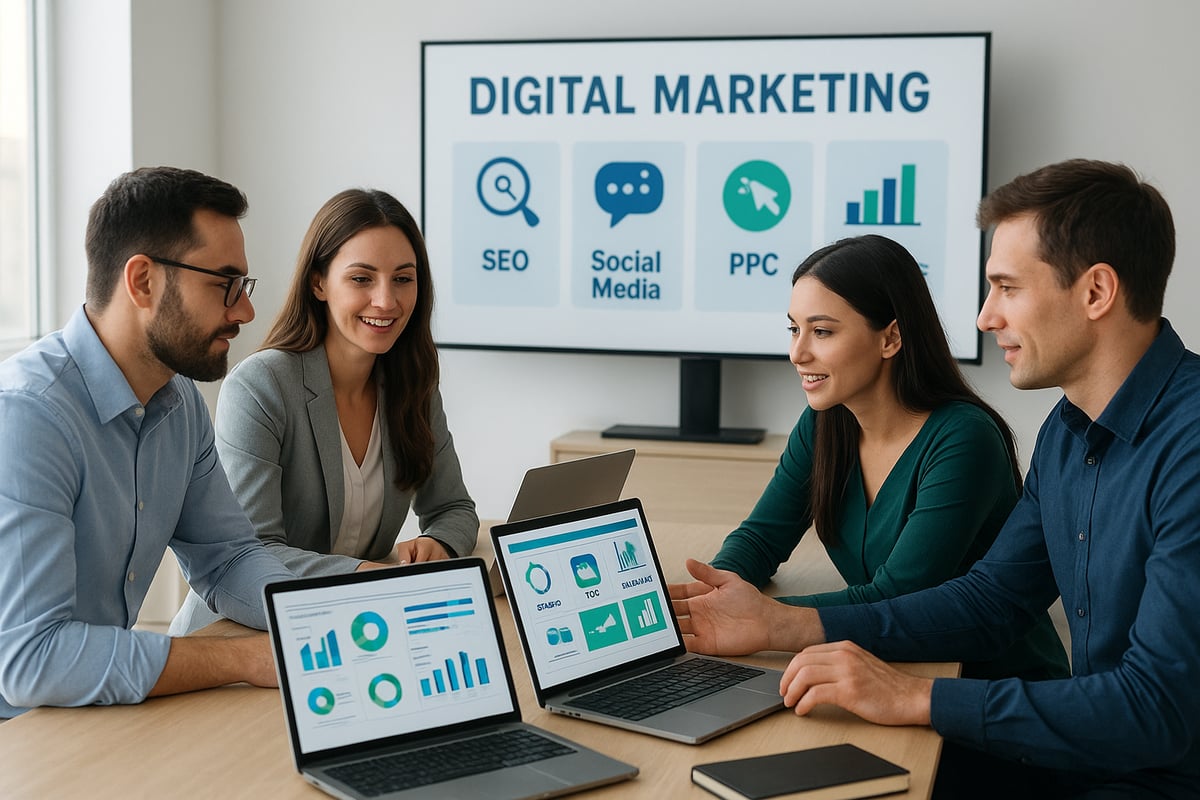
Marketing packages are bundled service offerings that combine multiple marketing tactics into a single, streamlined solution for a fixed price. Instead of managing separate vendors for SEO, PPC, content creation, or social media, businesses can access these channels through one provider.
Typical marketing packages include:
- Search engine optimization (SEO)
- Pay-per-click advertising (PPC)
- Content marketing and copywriting
- Social media management
- Performance analytics and reporting
The key difference between standalone services and integrated marketing packages lies in their synergy. Standalone services operate independently, while integrated packages ensure strategies align, messaging remains consistent, and data is shared across all channels.
A basic marketing package might bundle SEO and content services, while a full-stack package could cover SEO, PPC, email marketing, social media, and advanced analytics. In 2026, customizable and industry-specific packages have become more prevalent, allowing businesses to tailor solutions to their unique needs.
Benefits of Using Marketing Packages
Choosing marketing packages offers significant advantages for businesses seeking growth and efficiency.
Key benefits include:
- Streamlined vendor management, with a single point of contact for multiple needs
- Consistent brand messaging across all marketing channels
- Access to a team of specialists, such as strategists, creatives, and analysts, without hiring in-house
- Enhanced ROI tracking through unified reporting and analytics dashboards
- Time and cost savings compared to piecemeal procurement of individual services
By consolidating services, marketing packages reduce operational complexity and free up internal resources. Unified analytics also enable businesses to track campaign performance more effectively, ensuring strategies remain data-driven and results-focused.
How Packages Have Evolved by 2026
Marketing packages have transformed rapidly over the past few years. In 2026, the integration of AI-driven optimization, automation, and predictive analytics is standard. Many providers now include omnichannel strategies that blend digital and offline tactics in one package.
Flexibility is another hallmark of modern marketing packages. Businesses can add or remove services as their needs evolve, creating modular solutions that scale with growth. There is also a stronger emphasis on compliance and data privacy, especially for industries like finance and healthcare.
For example, automation tools and strategies, such as those covered in Marketing automation for financial advisors, are now a core part of many marketing packages. These innovations help providers deliver measurable ROI while keeping campaigns agile and compliant.
Examples and Data Points
Consider the following comparison to illustrate the range of marketing packages available:
| Package Type | Included Services | Typical Clients |
|---|---|---|
| Basic | SEO, content creation | Startups, SMBs |
| Full-Stack | SEO, PPC, email, social, analytics, automation | Growing brands, large enterprises |
A leading agency like Chatter Buzz offers integrated packages (Basic, Pro, Growth, Enterprise) using point-based pricing and full-funnel coverage. In 2025, 68% of SMBs preferred bundled marketing packages over à la carte services, highlighting the shift toward comprehensive solutions.
Customization and scalability are now standard expectations. Businesses demand packages that fit their goals, industry, and budget, ensuring adaptability in a fast-changing market.
Types of Marketing Packages in 2026
The landscape for marketing packages in 2026 is more diverse and sophisticated than ever. Businesses now have access to tailored solutions designed to meet their unique goals, industry requirements, and budget constraints. As digital and offline channels continue to merge, understanding the main types of marketing packages is essential for choosing the right fit.

Digital Marketing Packages
Digital marketing packages remain the cornerstone for most businesses seeking to build a strong online presence. These packages typically bundle services like SEO, PPC, content marketing, email campaigns, and social media management. For example, a standard package might include keyword research, on-page SEO, Google Ads management, and daily social media posting. In 2026, over 70 percent of agency sales are driven by digital-focused marketing packages, reflecting their effectiveness in a competitive digital-first world.
These packages provide comprehensive coverage for brand visibility and lead generation, often integrating automation and analytics for real-time performance tracking. Whether launching a new product or scaling an established brand, digital marketing packages offer measurable, scalable solutions.
Industry-Specific Packages
Industry-specific marketing packages are designed to address the unique needs and compliance requirements of verticals like eCommerce, healthcare, finance, and local services. For instance, healthcare packages may emphasize HIPAA compliance, while financial advisors require FINRA-approved messaging and reporting. These packages often include specialized features such as product feed optimization, retargeting, and marketplace integrations for eCommerce.
Many providers now bundle essential tools and services tailored to niche markets, ensuring regulatory standards are met without sacrificing creativity or reach. For a detailed look at what can be included in these offerings, see this resource on marketing tools for financial advisors. Industry-specific marketing packages give businesses peace of mind, knowing their campaigns align with both best practices and legal guidelines.
Full-Stack/Integrated Marketing Packages
Full-stack or integrated marketing packages deliver an all-in-one solution for businesses ready to outsource their entire marketing operations. These packages cover everything from market research and strategy development to creative execution, media buying, automation, analytics, and detailed reporting. A typical example is a plan that provides up to 360 campaign points, CMO-level access, and execution across multiple channels.
Integrated marketing packages are ideal for organizations seeking a single partner to drive cohesive, data-driven marketing across all touchpoints. By centralizing strategy and execution, these packages eliminate silos, accelerate campaign deployment, and ensure consistent messaging.
Modular and Customizable Packages
Modular and customizable marketing packages are gaining traction as businesses demand greater flexibility. These packages allow clients to pick and choose only the services they need, such as influencer marketing, video production, or marketing automation. The ability to scale services up or down each month matches the dynamic nature of today’s markets.
This pick-and-mix approach ensures that marketing packages can evolve alongside business goals. Customizable models also help clients control costs while accessing specialist expertise as needed, making them a preferred choice for rapidly growing brands and startups.
Offline and Hybrid Packages
Despite the rise of digital channels, offline and hybrid marketing packages remain relevant for brands targeting local or multi-channel audiences. These packages combine traditional tactics such as outdoor advertising, event marketing, and direct mail with digital strategies like retargeting and social media engagement.
For example, a hybrid package might pair billboard advertising with digital retargeting campaigns to reach consumers both online and in their communities. Offline and hybrid marketing packages help businesses bridge the gap between physical presence and digital engagement, maximizing reach and impact.
Emerging Package Trends for 2026
Several trends are redefining marketing packages in 2026. AI-powered campaign management, voice search optimization, AR/VR marketing, and chatbot integration are now common features in advanced offerings. There is also a growing emphasis on data privacy, with providers building first-party data strategies and compliance into every package.
These innovations make marketing packages more adaptive and results-oriented, supporting continuous optimization and agile response to market changes. Agencies differentiate themselves by integrating cutting-edge technology and demonstrating industry expertise.
Key Arguments and Insights
In summary, marketing packages in 2026 are more modular, scalable, and performance-driven than ever. Businesses benefit from clear KPIs, flexible service options, and integrated technology designed to deliver measurable growth. Agencies set themselves apart by offering tailored solutions, transparent reporting, and the ability to adapt packages as client needs evolve.
What’s Included in a Modern Marketing Package?
Modern marketing packages have evolved into holistic solutions designed to cover every aspect of a business’s growth journey. No longer limited to a single channel or tactic, these packages now offer a blend of strategic planning, creative execution, technology integration, and transparent reporting. For businesses navigating the crowded digital space in 2026, understanding what’s included in marketing packages is essential for making informed, growth-focused decisions.

Core Services Breakdown
At their foundation, marketing packages provide a suite of core services designed to drive consistent business results. These typically include strategy and planning, such as market research and campaign roadmaps, ensuring each move is data driven. Execution services cover SEO, PPC, content creation, social media management, and email marketing, offering a unified approach across all digital channels.
Creative work is a central pillar, with graphic design, video production, and copywriting ensuring brand messaging stands out. Technology integration brings automation tools, CRM systems, and analytics dashboards into the mix, supporting efficient operations and real time insights. Finally, regular KPI and performance reporting keeps businesses informed and campaigns on track. This integrated approach is what sets modern marketing packages apart.
Advanced and Add-On Services
Beyond the essentials, many marketing packages offer advanced features and add-ons that can be tailored to unique business needs. Conversion rate optimization (CRO), A/B testing, and heatmaps are common inclusions, helping businesses fine tune user journeys and maximize results.
Additional options often include influencer and affiliate marketing, programmatic and geo fence advertising, and web development services like UI/UX design or landing page creation. Some packages extend support to sales enablement and CRM management, bridging the gap between marketing and sales teams. With these add-ons, marketing packages become scalable, supporting growth and adaptation as business goals evolve.
Transparency and Communication
Transparency is a defining feature of leading marketing packages in 2026. Providers offer monthly playbooks or detailed task lists, giving clients full visibility into planned activities and progress. Assigned account managers and strategists serve as dedicated points of contact, ensuring seamless communication and rapid response to any concerns.
Regular performance meetings, ranging from bi weekly check ins for enterprise clients to monthly reviews for smaller businesses, keep everyone aligned. This open communication builds trust and accountability, making sure marketing packages deliver measurable value and adapt to shifting needs.
Technology and Automation in 2026 Packages
Technology is at the heart of modern marketing packages. AI driven campaign optimization, predictive analytics, and automated lead nurturing are now standard features, allowing businesses to work smarter and respond faster to market changes. Real time dashboards provide 24/7 access to analytics, empowering teams to monitor campaign health and adjust strategies on the fly.
For those in regulated industries, digital solutions play a critical role in compliance and efficiency. Tools like CRM integrations, automation platforms, and specialized analytics are now core components of many marketing packages, as discussed in Digital tools for financial advisors. These innovations ensure businesses stay competitive and agile in an increasingly digital marketplace.
Key Insights
Today’s marketing packages strike a careful balance between flexibility and accountability. Clients expect not only customization of services but also clear, measurable outcomes. As agencies compete on the strength of their transparency, reporting, and ability to adapt, businesses benefit from solutions that are both comprehensive and responsive. Choosing a package with these qualities is key to sustainable growth in 2026.
How Much Do Marketing Packages Cost in 2026?
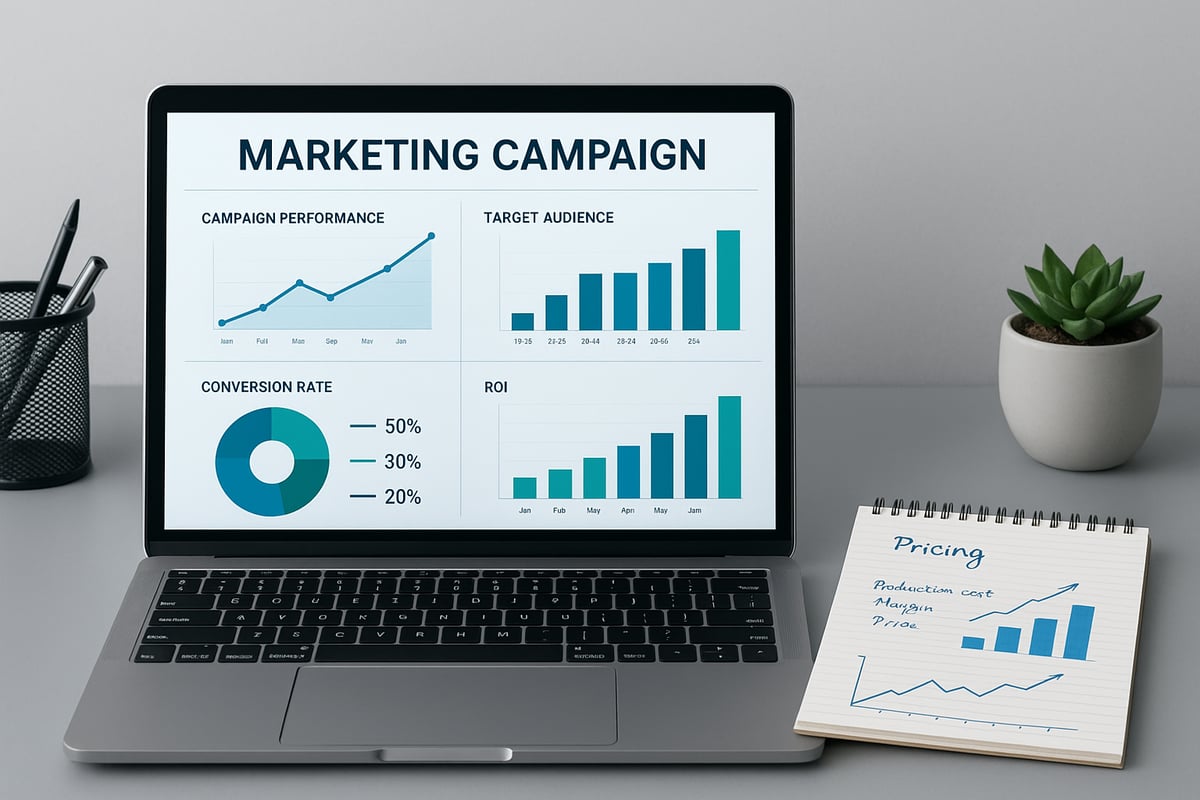
Understanding the cost of marketing packages in 2026 is essential for budgeting and planning your business growth. Pricing models have evolved rapidly, offering more transparency and flexibility than ever before.
Pricing Models Explained
Today’s marketing packages use a variety of pricing models to meet different business needs. The most common are fixed monthly fees, point-based pricing, and performance-based pricing. Fixed monthly fees provide a predictable cost for a set bundle of services. Point-based pricing, such as Chatter Buzz’s system where one point equals one hour of work, offers flexibility and transparency, allowing clients to allocate resources as needed. Performance-based pricing ties costs to specific outcomes, like leads or sales, which can align incentives between provider and client.
Compared to traditional hourly billing, these models focus on value delivered rather than time spent. This shift benefits businesses seeking measurable outcomes and clearer ROI from their marketing packages.
Price Ranges by Package Tier
The cost of marketing packages varies widely based on the level of service and business size. Entry-level packages typically range from $1,000 to $5,000 per month, covering basic digital marketing essentials. Mid-tier packages, designed for more advanced needs and multi-channel campaigns, fall between $5,000 and $20,000 per month.
Enterprise-level marketing packages, which include full-stack support and strategic guidance, start around $20,000 and can exceed $50,000 monthly. Custom packages may have variable pricing based on unique requirements, industry, and technology integrations.
| Package Tier | Typical Monthly Cost | Inclusions |
|---|---|---|
| Basic | $1,000–$5,000 | SEO, content, basic social, reporting |
| Mid-Tier | $5,000–$20,000 | Multi-channel, strategy, automation, analytics |
| Enterprise | $20,000–$50,000+ | Full-stack, CMO access, advanced tech, support |
Factors Affecting Cost
Several factors influence the price of marketing packages. The number and complexity of services, such as adding PPC, automation, or advanced analytics, will raise costs. Customization, strategic support, and the scale of your campaigns also play a significant role. Larger businesses or those targeting broad markets typically require more resources and higher investment. The inclusion of cutting-edge technology, like AI-driven optimization, can further impact pricing.
ROI and Value Considerations
While upfront costs are important, the true value of marketing packages lies in their ability to drive results. Bundled services often deliver better ROI than piecemeal approaches, thanks to unified strategy, dedicated support, and advanced analytics. Many providers now include regular reporting, campaign reviews, and access to specialists as part of the package. According to recent industry data, businesses using integrated marketing packages deploy campaigns 30% faster, accelerating growth and efficiency.
For insights on how evolving trends impact package value, see the 10 marketing trends to watch out for in 2026.
Example Comparisons
Chatter Buzz’s offerings illustrate the range of marketing packages available: Basic ($5K/month, 35 points), Pro ($10K/month, 74 points), Growth ($20K/month, 160 points), and Enterprise ($40K+/month, 360 points). Marketplaces like Upwork or Fiverr may advertise budget packages, but these often lack customization and strategic oversight.
Key Insights
Transparency in pricing and deliverables sets leading marketing packages apart in 2026. When choosing a provider, balance upfront costs with the long-term gains in efficiency, expertise, and measurable business growth.
Step-by-Step Guide: How to Choose the Right Marketing Package
Selecting the right marketing packages in 2026 can be transformative for your business. With so many options available, a structured approach ensures you maximize results and avoid costly missteps. Follow this ten-step guide to make a confident, informed decision that aligns with your goals and resources.
1. Define Your Business Goals and KPIs
Start by clarifying what you want to achieve. Are you focused on brand awareness, lead generation, online sales, or customer retention? Outline specific KPIs for each goal, such as increasing website traffic or boosting conversion rates. This clarity will guide your selection of marketing packages that are tailored to your objectives. For businesses in regulated industries or those with complex sales cycles, aligning your package with your sales process is critical. For more on connecting marketing and sales, explore this guide to building an effective new client sales process.
2. Assess Your Target Audience and Market
Next, identify your audience's demographics, behaviors, and preferred communication channels. Does your audience spend more time on social media, email, or search? The best marketing packages will match your audience’s habits and expectations. If you serve a niche or regulated market, consider industry-specific packages that address unique compliance or messaging needs.
3. Establish Your Budget and Resource Constraints
Determine your maximum monthly spend and the minimum ROI you expect from your investment. Marketing packages vary widely in cost, so knowing your limits will help you filter options efficiently. Consider whether you have internal resources to support campaign execution or if you need a more hands-off, full-service approach.
4. Evaluate Package Contents and Flexibility
Carefully review what is included in each package. Look for comprehensive solutions that cover all the channels relevant to your business goals, such as SEO, social media, content, and analytics. Flexibility is key, especially in 2026, as digital channels evolve quickly. Seek out marketing packages that allow you to add or remove services easily. Staying updated on digital marketing trends for 2026 can help you prioritize the most impactful services.
5. Vet the Provider’s Credibility and Expertise
Examine the agency or platform's track record. Request case studies, client testimonials, and industry credentials. A strong provider of marketing packages will have demonstrable results for businesses similar to yours. Look for teams that include strategists, creatives, and analysts who understand your sector and growth stage.
6. Analyze Reporting, Communication, and Support
Clear communication and transparent reporting are essential. Ask about the frequency and depth of performance reports. Will you have a dedicated account manager or strategist? Reliable marketing packages offer regular meetings, responsive support, and access to campaign dashboards so you can track progress in real time.
7. Consider Scalability and Long-Term Fit
Your business will evolve, so the marketing packages you choose should be able to grow with you. Check if the provider offers upgrade paths or advanced add-ons for when your needs expand. Scalable packages ensure you won’t outgrow your marketing support.
8. Compare Pricing Models and Value
Understand how each provider structures their pricing. Are fees fixed, point-based, or performance-driven? Compare what is included at each price point, factoring in the level of expertise, technology, and strategic input. The value of marketing packages is not just in their cost, but in the results and support they deliver.
9. Request a Sample Playbook or Demo
Before committing, ask for a sample campaign playbook or a demo of reporting dashboards. This helps you visualize how your marketing packages will be managed day-to-day and confirms whether the provider’s approach aligns with your expectations.
10. Make an Informed Decision
Weigh all your findings. Consider your goals, the services included, the provider’s reputation, and the fit for your budget and growth plans. The best marketing packages offer clear deliverables, accountability, and room to adapt as your business scales.
Key Arguments and Insights
A stepwise approach to selecting marketing packages ensures you match your unique business needs with the right level of support, flexibility, and measurable outcomes. In 2026, transparency, customization, and strategic alignment are more important than ever. By following these steps, you set your business up for sustained marketing success.
Key Trends Shaping Marketing Packages in 2026
The landscape of marketing packages in 2026 is being shaped by rapid technological advancements and evolving client expectations. Businesses now demand smarter, more integrated solutions that drive measurable results. Let us explore the key trends redefining how marketing packages deliver value this year.
AI and Automation Integration
Artificial intelligence is now at the core of most marketing packages. Agencies leverage AI for campaign management, predictive analytics, and automated reporting, allowing faster and smarter decision making. Automated lead nurturing and real-time dashboards empower businesses to monitor performance and adapt quickly. According to Top digital marketing trends and predictions for 2026, AI adoption is a defining factor for competitive marketing packages.
Personalization and Industry Focus
In 2026, marketing packages are increasingly tailored to specific industries and audiences. Agencies offer vertical-specific solutions for sectors like finance or healthcare, ensuring compliance with regulations and delivering creative that resonates with each target segment. This focus on personalization helps businesses achieve better results and higher engagement rates.
Omnichannel and Hybrid Strategies
Modern marketing packages now blend digital and offline tactics for a seamless customer experience. Integrated campaigns combine digital ads with direct mail or events, synchronizing data across all touchpoints. This holistic approach ensures that messaging stays consistent and reaches audiences wherever they are.
Value-Based and Transparent Pricing
Clients expect transparent, value-driven pricing models from their marketing packages. The shift from hourly rates to point-based or value-based pricing provides clarity on deliverables and outcomes. Agencies must clearly outline what is included, making it easier for businesses to compare options and measure ROI.
Data Privacy and Compliance
As regulations like GDPR and CCPA evolve, data privacy is a core feature of marketing packages. Providers proactively address compliance, especially in regulated industries. This includes secure data handling, opt-in management, and transparent reporting to build trust with clients and consumers alike.
Continuous Optimization and Reporting
Ongoing testing, conversion rate optimization, and iterative improvements are now built into most marketing packages. Agencies conduct frequent performance reviews, using agile methods to adjust campaigns and maximize results. Businesses benefit from regular updates and clear accountability.
Examples, Data Points, and Key Insights
Chatter Buzz exemplifies these trends with features like a 24/7 analytics dashboard and frequent performance meetings. In a 2025 industry survey, 80% of businesses cited transparency and data access as top criteria when choosing marketing packages. For a deeper look at performance marketing and privacy trends driving these changes, see Top Marketing Trends for 2026: Performance, Digital, Content & AI Strategies Redefining Growth.
The takeaway: marketing packages in 2026 are more intelligent, flexible, and results-oriented than ever. Businesses should seek providers who blend advanced technology, deep expertise, and a commitment to transparency for sustained growth.
As you’ve seen, navigating the world of marketing packages in 2026 takes thoughtful planning and a clear understanding of what will drive growth for your advisory practice. Whether you’re looking for cost efficiency, expert support, or the latest in AI-driven strategies, the right package can make all the difference. If you want to see firsthand how a tailored solution can streamline your marketing and help you stay ahead, let’s take the next step together. You’re invited to Schedule a Free Demo and explore options designed just for financial advisors like you.