Organic social media marketing is entering a critical new era as brands face rapidly evolving platforms, shifting algorithms, and audiences who are more skeptical of paid ads than ever. Declining organic reach is forcing marketers to rethink their approach, yet the need for authentic engagement and trusted communities continues to grow. This guide offers a step-by-step roadmap to mastering organic social media marketing in 2026, revealing the strategies, frameworks, and tactics needed for long-term success. You will discover why organic marketing still matters, the trends shaping the future, a proven strategy framework, how to measure results, and the best platform-specific tips to stay ahead.
The Importance of Organic Social Media Marketing in 2026
Organic social media marketing is taking center stage as brands aim to foster genuine relationships and navigate a fast-changing digital landscape. Understanding its true value, especially as we approach 2026, is essential for any organization wanting to build trust, loyalty, and sustainable engagement.

Defining Organic Social Media Marketing
Organic social media marketing refers to any activity on social platforms that does not involve paid promotion. In the early days, brands enjoyed open reach, with posts seen by most followers. Today, algorithm changes have limited this visibility, making organic efforts more strategic.
To clarify the difference, see the table below:
| Aspect | Organic Social Media Marketing | Paid Social Media |
|---|---|---|
| Reach | Limited, algorithm-dependent | Broad, targeted |
| Cost | No direct payment | Requires budget |
| Longevity | Builds over time | Short-term boost |
| Trust | High, authentic | Can be viewed as intrusive |
Insights from Social Media Examiner highlight how organic social media marketing is crucial for community-building and loyalty. Paid social has its place but often lacks the depth and authenticity needed for long-term relationships. With US social ad spending exceeding $21B, organic’s role is evolving but remains foundational.
Why Organic Still Matters: Community, Trust, and Brand Loyalty
Organic social media marketing stands out for its ability to nurture communities and foster real trust. Experts like MIT’s Jenny Li Fowler and WeWork’s Lia Zneimer emphasize that authentic engagement cannot be replicated through paid campaigns alone.
Consider these key benefits:
- Deep Community Building: Brands like MIT have created loyal base fans through ongoing organic interaction.
- Compounding Loyalty: Genuine relationships formed over time lead to repeated engagement and advocacy.
- Authenticity: In a world full of digital noise, users value brands that show up consistently and transparently.
- Actionable Insights: Direct feedback from organic communities helps brands adapt and improve.
Organic social media marketing delivers value beyond what artificial boosting can offer. The compounding effect of authentic loyalty means every interaction can increase a brand’s credibility and influence. Brands receive unique insights and feedback from their organic followers, which is often missing in paid-only strategies. This makes organic essential for brands seeking long-term relevance and trust.
The Risks of Ignoring Organic: Missed Opportunities and Brand Dilution
Neglecting organic social media marketing comes with significant risks. Brands that focus only on paid strategies often see shallow engagement and lack genuine loyalty.
According to Social Media Examiner, chasing vanity metrics like reach or impressions can lead to a cluttered feed and missed opportunities for meaningful interaction. For instance, some brands have lost relevance or failed to connect with their audience after deprioritizing organic content.
Ignoring organic social media marketing may also result in inconsistent messaging and a diluted brand story. Without a consistent, authentic presence, brands risk being forgotten or perceived as out of touch.
Data and Trends Shaping Organic Social in 2026
Recent data shows that organic reach and engagement rates have continued to shift as platforms update their algorithms. eMarketer reports that paid social is growing rapidly, yet users are becoming more skeptical of sponsored content and demand more authentic interaction.
Trends reveal that niche communities and micro-influencers are gaining influence, as people seek genuine recommendations and connections. According to Key Social Media Marketing Statistics for 2025, organic content remains a primary driver of brand discovery and engagement across major platforms.
In 2026, successful brands will focus on organic social media marketing that prioritizes real conversations, adapts to algorithmic changes, and leverages the power of community.
Key Trends Influencing Organic Social Media Success in 2026
The landscape of organic social media marketing is on the brink of major transformation in 2026. Brands must stay ahead by understanding the key trends shaping platform strategies, audience behaviors, and technology. By mastering these trends, you can unlock stronger engagement and lasting results for your brand.

Platform Algorithms and Content Discovery
Social platforms are refining their algorithms to prioritize authentic engagement. In 2026, organic social media marketing will depend on understanding how platforms like Facebook, Instagram, TikTok, LinkedIn, and X surface content. AI-driven personalization and recommendation engines now reward posts that spark conversation and keep users engaged.
Brands must adapt by creating content that encourages meaningful interactions, not just passive views. According to The 6 Marketing Trends to Watch in 2026, the convergence of entertainment, social, and commerce will further influence algorithm priorities. Staying updated on these shifts is vital for organic social media marketing success.
The Rise of Community-Driven Experiences
A shift from broadcast messaging to community-building is taking center stage. Organic social media marketing thrives when brands foster private groups, DMs, and micro-communities. These spaces enable direct dialogue and deeper connections with base fans.
MIT’s social team exemplifies this trend, nurturing loyal communities who advocate for the brand. By focusing on genuine conversations, brands create a sense of belonging. In 2026, building trust within these communities will become a cornerstone of organic social media marketing.
Content Formats and Storytelling Evolution
Content diversity is crucial for organic social media marketing in 2026. Short-form videos, carousels, live streams, and user-generated content (UGC) are dominating feeds. The “three-scroll” test—assessing your feed’s impact within the first three swipes—guides brands to prioritize visual storytelling.
Here’s a quick comparison of top-performing content formats:
| Format | Engagement Level | Best Use Case |
|---|---|---|
| Short-form video | High | Product showcases |
| Carousels | Medium-High | Educational tips |
| Live streams | High | Real-time events |
| UGC | High | Community stories |
Experimenting with these formats helps brands remain relevant and memorable as audiences crave variety and authenticity.
AI, Automation, and the Human Touch
AI tools are revolutionizing organic social media marketing by streamlining content creation, scheduling, and analytics. Automation can boost efficiency, but it is essential to preserve a human voice in every interaction. Social listening, sentiment analysis, and trend-spotting platforms enable brands to respond quickly and thoughtfully.
Striking a balance between automation and genuine engagement is key. Brands that leverage AI for insights while maintaining authentic communication will stand out in 2026’s crowded social landscape.
Metrics, Measurement, and ROI Expectations
Measurement frameworks are shifting away from vanity metrics like reach and impressions. In 2026, brands will focus on engagement, sentiment, and community growth as primary KPIs. Public engagement metrics—comments, shares, and likes—offer real insights into content performance.
Regularly reviewing these metrics allows brands to refine their strategies and foster lasting relationships. By prioritizing meaningful outcomes, brands ensure their organic social media marketing efforts drive sustained value.
Step-by-Step Framework: Building a Winning Organic Social Strategy for 2026
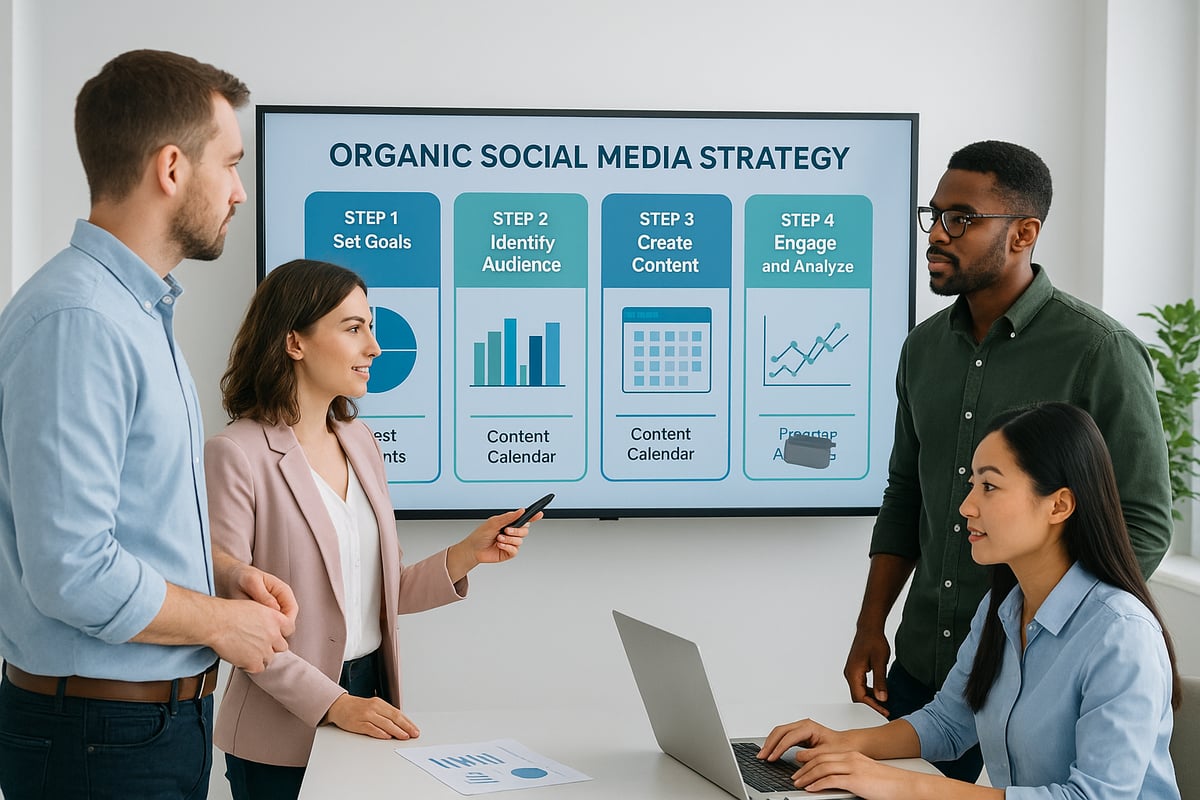
Successful organic social media marketing in 2026 demands a structured, adaptable approach. Brands need a clear roadmap to build trust, nurture communities, and deliver lasting engagement. This step-by-step framework will guide you through defining your mission, crafting compelling stories, optimizing processes, selecting the right platforms, tracking progress, and engaging authentically.
Step 1: Define Your Mission and Goals
Every effective organic social media marketing strategy begins with a clear mission. This mission serves as your North Star, ensuring all efforts align with broader business objectives.
Start by identifying what your brand truly wants to achieve. Is your priority to drive revenue, foster brand evangelists, or cement thought leadership? For example, your mission might be “to build a community of passionate advocates who drive product referrals and engagement.”
Involve internal teams and loyal fans early in the process. Their perspectives often uncover hidden stories or strengths that set your brand apart.
Sample goal statements and supporting tactics:
| Goal Type | Example Goal | Supporting Tactic |
|---|---|---|
| Community Growth | Grow online group by 2,000 members in 12 months | Host monthly live Q&A sessions |
| Brand Awareness | Increase positive mentions by 30% | Launch UGC-driven hashtag campaign |
| Thought Leadership | Secure 10 industry podcast guest spots | Share insights weekly on LinkedIn |
Be specific with your goals. Instead of “increase engagement,” try “boost post shares by 20% in Q3.” Specificity prevents vague aspirations from diluting your efforts.
Use your mission as a filter for content requests. If a campaign or post does not support your mission, reconsider its place in your organic social media marketing plan.
A unified mission keeps messaging consistent and helps maintain brand coherence, even as trends shift.
Step 2: Craft Compelling Messaging and Brand Story
Unified storytelling is critical for organic social media marketing success. Every post and platform should reflect your brand’s unique narrative, values, and voice.
Apply the “three-scroll” lens: What impression does a new visitor get after scrolling through your last 12 posts? Is your feed visually engaging, diverse, and purposeful? Regular audits help ensure your messaging remains fresh and relevant.
Balance entertainment, education, and value. For example, MIT’s social feed features student stories, research breakthroughs, campus culture, and moments of fun. This diversity attracts both new followers and loyal base fans.
Tips for effective messaging:
- Map content to audience needs, not just brand promotions.
- Rotate formats: mix short-form video, carousels, images, and polls.
- Use storytelling to humanize your brand and make it relatable.
- Highlight user-generated content to foster authenticity.
Quality always outweighs quantity. There is no universal posting frequency for organic social media marketing. Instead, focus on delivering consistent value.
Audit your content regularly:
- Are visuals cohesive and on-brand?
- Is your narrative balanced between topics?
- Does every post serve a strategic purpose?
Consistent storytelling builds trust, encourages sharing, and keeps your brand top-of-mind.
Step 3: Document and Optimize Your Content Process
A documented process is the backbone of scalable organic social media marketing. Clear workflows ensure your team can maintain quality and adapt quickly.
Start by outlining each step from ideation to publishing:
- Content brainstorming and approval
- Asset creation and review
- Scheduling and publishing
- Community management and engagement
- Performance tracking
Use playbooks, content calendars, and submission guidelines to standardize execution. These tools help new team members onboard quickly and align internal partners with your social media vision.
Consider workflow automation and collaboration tools to streamline repetitive tasks. For example, marketing automation platforms can schedule posts, manage approvals, and centralize analytics. For more insights on automation tools that can enhance your strategy, explore Marketing automation for advisors.
Benefits of process documentation:
- Ensures continuity when team members change roles
- Supports consistent brand voice and look
- Reduces bottlenecks and errors
Social Media Examiner recommends reviewing and updating your process regularly. As platforms evolve, your workflow should remain flexible to accommodate new formats or trends.
A robust content process frees your team to focus on creativity and genuine audience engagement, which is at the heart of organic social media marketing.
Step 4: Evaluate and Prioritize Platforms
Not every platform will serve your brand equally well. Effective organic social media marketing means choosing channels that align with your audience and content strengths.
Begin with a platform audit. Where is your audience most active? Does your brand excel with visuals, thought leadership, or in-depth discussions? For instance:
- Instagram: ideal for visual storytelling, UGC, and behind-the-scenes content
- X (Twitter): best for real-time updates, conversations, and industry news
- LinkedIn: suited for B2B, professional insights, and thought leadership
Avoid spreading your resources too thin. Focus on mastering 2-3 platforms rather than maintaining a weak presence everywhere.
Jenny Li Fowler advises sunsetting inactive accounts. If you shift focus from one platform to another, announce the change to your followers to maintain transparency and continuity.
Great content can travel organically across platforms. Use platform strengths to repurpose content in ways that suit different audiences.
Example:
| Platform | Content Type | Engagement Tactic |
|---|---|---|
| Carousel, Reels | UGC, Stories, Community tags | |
| Long-form posts | Polls, Comment threads | |
| X (Twitter) | Threads, Live Tweets | Industry news, Q&A |
Prioritizing platforms ensures your organic social media marketing efforts are focused, measurable, and impactful.
Step 5: Set Metrics, Track Performance, and Iterate
Measurement is crucial for organic social media marketing. Choose KPIs that reflect your goals and provide actionable insights.
Recommended KPIs:
- Engagement rate (likes, comments, shares)
- Sentiment (positive, negative, neutral feedback)
- Community growth (followers, group members)
- Brand mentions and share of voice
Establish baselines for each KPI, then measure progress regularly. Avoid overemphasizing reach and impressions. Instead, focus on metrics that indicate genuine engagement.
Social Media Examiner highlights public engagement—comments, shares, and saves—as a key indicator of content resonance.
Use sentiment analysis to gauge how your audience perceives your brand. Track feedback trends to identify strengths and address weaknesses.
Example review cycle:
- Monthly: Analyze top and bottom performing posts.
- Quarterly: Adjust content themes and formats based on data.
- Annually: Revisit goals and realign strategy as needed.
Iterate continuously. If a tactic underperforms, adapt quickly. Organic social media marketing thrives on flexibility and responsiveness to audience feedback.
Regular metric reviews ensure your strategy remains effective and focused on what matters most.
Step 6: Monitor Conversations and Engage Authentically
Active monitoring and engagement are central to organic social media marketing. Real-time attention to conversations fosters trust and community loyalty.
Use social listening tools to track comments, mentions, and brand discussions across platforms. Manual spot checks help you catch nuanced feedback and emerging trends.
For example, MIT analyzes audience reactions to avoid divisive topics and refine their content approach. This proactive listening helps brands stay relevant and respectful.
Strategies for authentic engagement:
- Respond promptly to questions and comments
- Acknowledge feedback, both positive and critical
- Follow conversation threads to identify pain points or opportunities
- Check external communities like Reddit or Google for broader sentiment
Engagement is ongoing. Do not treat it as a one-time task after publishing. Nurture relationships by showing appreciation and addressing concerns openly.
Tips for building deeper connections:
- Host live Q&A sessions or AMAs
- Spotlight community members or user stories
- Share behind-the-scenes content to humanize your brand
Consistent, authentic engagement transforms followers into advocates and strengthens your organic social media marketing foundation.
Platform-Specific Strategies and Best Practices for 2026
Navigating the ever-changing landscape of organic social media marketing requires a platform-specific approach. As algorithms shift and user behaviors evolve, brands must tailor their tactics to maximize reach and engagement on each channel. The following best practices will help you unlock the full potential of organic social media marketing in 2026.

Facebook and Instagram: Navigating Declining Organic Reach
Facebook and Instagram remain essential for organic social media marketing, despite ongoing declines in organic reach. To boost visibility, brands should focus on interactive formats like Reels, Stories, and live broadcasts, which algorithmically receive priority.
Groups offer a powerful space for deeper community engagement, while leveraging user-generated content and spotlighting loyal followers can increase authenticity. According to Social Media Marketing Statistics 2025, posts that spark meaningful interactions, such as comments and shares, outperform those focused solely on impressions.
- Prioritize content that encourages saves and shares.
- Use community spotlights to highlight real user stories.
- Analyze engagement rates by format to guide content investment.
Consistent, authentic engagement is the cornerstone of sustainable organic social media marketing on these platforms.
TikTok and Short-Form Video: Riding the Viral Wave
TikTok has redefined organic social media marketing by making viral discovery accessible to brands of all sizes. The platform's recommendation engine rewards creativity, quick engagement, and authentic storytelling.
To capitalize, brands should participate in trending challenges, use original audio, and offer behind-the-scenes glimpses. Short-form videos must capture attention within the first few seconds, as the algorithm measures retention and interaction closely.
- Follow trending audio and hashtag challenges.
- Showcase brand personality through raw, unpolished clips.
- Encourage viewers to duet or remix content.
Organic social media marketing on TikTok thrives when brands embrace spontaneity and community participation.
LinkedIn and X (Twitter): Thought Leadership and Conversation
LinkedIn and X are vital for brands aiming to establish authority through organic social media marketing. On LinkedIn, focus on long-form posts, polls, and industry news to spark professional conversations.
Comment engagement and sharing expertise through thoughtful replies build trust and visibility. X rewards real-time interaction and trending discussions, so timely posts and threads can amplify reach.
- Use polls to gather insights and foster dialogue.
- Share thought leadership articles and comment on industry trends.
- Engage actively with replies and mentions to grow your network.
In both spaces, organic social media marketing success hinges on consistent, value-driven participation.
Emerging Platforms and Niche Communities
Exploring emerging platforms is crucial for forward-thinking organic social media marketing. Spaces like Threads, Discord, and specialized forums offer early adoption advantages and access to micro-communities.
Brands can experiment with new formats, test messaging, and build loyal followings in less saturated environments. Monitoring community trends and being responsive to feedback are essential.
- Join niche groups relevant to your industry.
- Experiment with interactive content (AMAs, live sessions).
- Track engagement to identify high-potential spaces.
Early presence in these communities can yield outsized returns for organic social media marketing efforts.
Content Repurposing and Cross-Platform Amplification
Maximizing the impact of organic social media marketing means adapting content for multiple platforms while maintaining brand consistency. Repurposing strategies—such as turning blog posts into carousels or short videos into Reels—extend the life and reach of each asset.
Cross-platform amplification happens when content is shared via DMs, email, or community groups. Efficient repurposing relies on robust tools for scheduling and analytics. For more on streamlining your workflow, see Marketing tools for financial advisors.
- Repurpose high-performing content for different formats.
- Use scheduling tools to coordinate cross-platform posts.
- Monitor organic spread through shares and email forwards.
A cohesive approach to content repurposing reinforces brand messaging and broadens the impact of your organic social media marketing strategy.
Measuring Success and Avoiding Common Pitfalls
Success with organic social media marketing in 2026 means more than just watching numbers grow. It requires patience, smart measurement, and the ability to adapt as platforms and audiences evolve. Let’s explore how to measure progress, sidestep common mistakes, leverage analytics, and build a resilient strategy for the future.
Setting Realistic Expectations for Organic Growth
Growth in organic social media marketing is often gradual and sometimes unpredictable. Unlike paid campaigns, organic results build over time as trust and community develop.
Industry benchmarks suggest that engagement rates for organic content remain steady but modest. Brands should expect slower audience growth, yet higher-quality connections. Patience is essential.
Consider that authentic relationships cannot be rushed. Focus on meaningful interactions rather than quick wins. Setting realistic expectations helps teams stay motivated and committed to the long-term value of organic social media marketing.
Common Mistakes to Avoid in Organic Social Media
Many brands fall into traps that can undermine the effectiveness of organic social media marketing. Chasing vanity metrics, such as follower counts or impressions, often leads to disappointment.
Inconsistent posting and ignoring audience feedback can dilute your brand’s voice. Over-reliance on automation may result in robotic interactions. Avoid spreading your presence too thin or mimicking competitors without understanding your unique audience.
Learn from brands that lost engagement by neglecting genuine connection. Prioritize authentic content and regular engagement to keep your organic social media marketing efforts on track.
Advanced Analytics and Social Listening
Measuring success in organic social media marketing means looking beyond surface-level data. Advanced analytics tools now offer insights into sentiment, share of voice, and trend analysis.
Integrating qualitative feedback with quantitative metrics gives a fuller picture. For example, tracking comments and shares alongside positive or negative sentiment helps refine your approach.
Consider using lead generation tools for advisors to enhance your analytics and uncover new growth opportunities. Regular reporting and adapting your strategy based on these insights ensures continuous improvement.
Future-Proofing Your Organic Social Strategy
Staying ahead in organic social media marketing requires agility and proactive learning. Platform algorithms, audience behaviors, and content trends change rapidly.
Commit to ongoing education, regular trend monitoring, and frequent experimentation. Building owned communities and robust email lists can hedge against sudden platform shifts.
Leverage emerging technologies, such as AI and AR, as discussed in this Social Media Marketing Strategy for 2026, to keep your strategy resilient and relevant. Remember, trust and authenticity remain the bedrock of lasting success in organic social media marketing.
You’ve just explored the key trends, strategies, and practical steps to thrive with organic social media marketing in 2026—especially as a financial advisor aiming to build real trust and lasting client relationships. But putting these insights into action takes the right support and proven tools. If you’re ready to elevate your organic strategy and see firsthand how expert ad creation and tailored solutions can boost your results, let’s connect. I invite you to Schedule a Free Demo and discover how we can help you unlock new growth on social—authentically and effectively.